The Best Time to Surf Nusa Lembongan

By Loxy, surf coach on Nusa Lembongan · updated
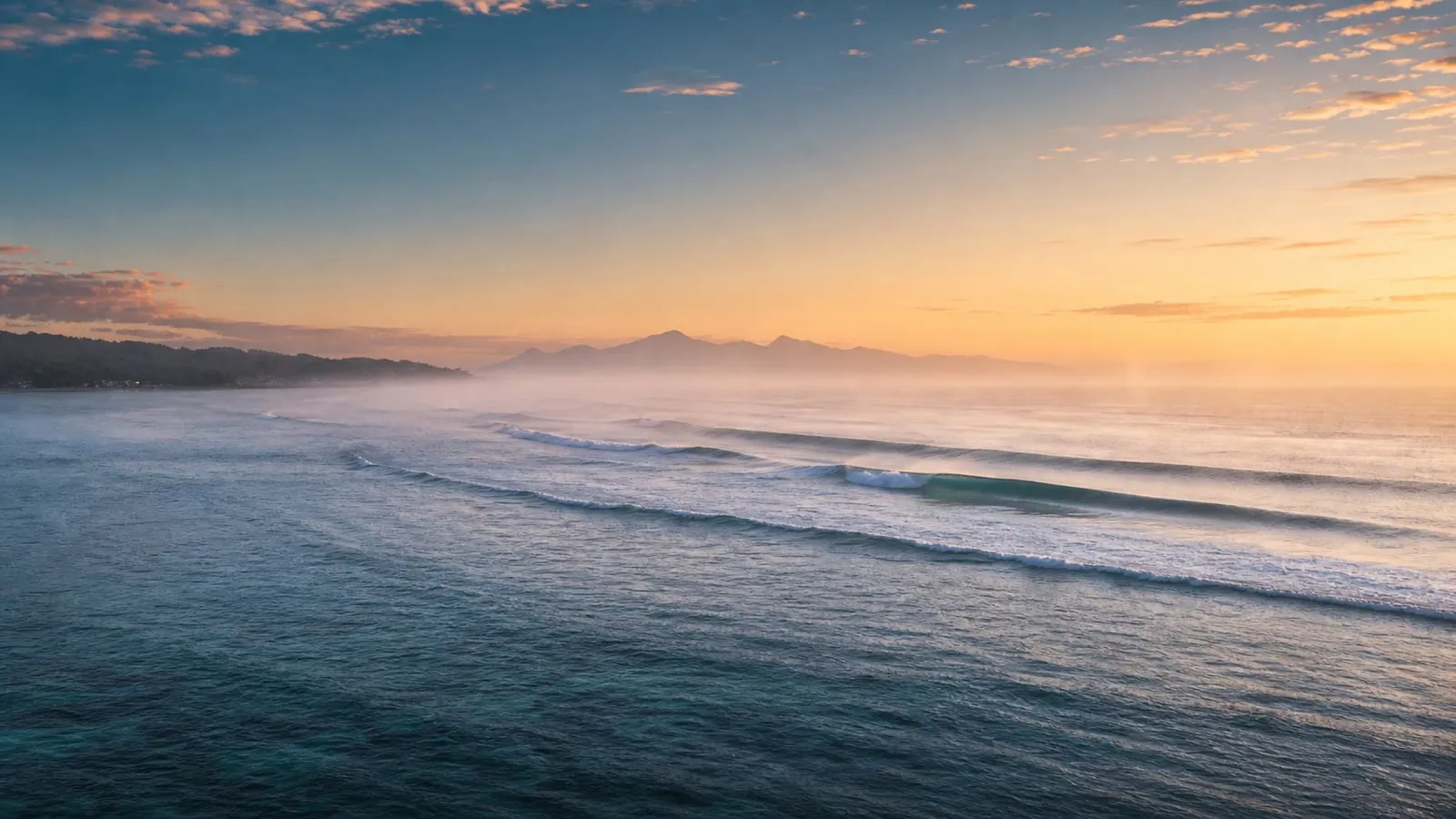
The short answer: the dry season, May to September, is the most consistent time to surf Nusa Lembongan — but the island has surfable waves every month of the year. I surf the three breaks in the channel off Jungut Batu — Playgrounds, Shipwrecks and Lacerations — most mornings of the year, and they pick up swell in every month. So the real question is not whether you can surf, but what conditions you’ll get when you do.
If you want to check a specific week rather than a season, Windy forecasts this coast, and Indonesia’s national forecaster BMKG publishes marine conditions for the Bali strait.
What is the surf like from May to September?
This is prime time. Long-period swell generated in the Southern Ocean marches up through the Lombok Strait and wraps into the channel, while the south-east trade winds blow offshore across the reefs through the morning. The result is the classic Lembongan combination: clean, groomed waves at first light, glassy faces until the trades fill in, and all three breaks working on their preferred tides.
To put a number on “consistent”: across July, Playgrounds has clean, surfable waves about 72% of the time, is too small roughly 28% of the time, and is blown out essentially never — 0% of days, because the trades that blow through the dry season blow the right way across these reefs. That is the statistical high-water mark of the year, and it is the reason July fills up.
Which brings up the trade-off. July and August are peak season, and the line-ups — especially at Playgrounds mid-morning — fill up accordingly. If you are planning lessons in those months, book three or more days ahead to get your preferred time; the rest of the dry season, a day or two of notice is usually plenty.
The swell that does the work comes from the south-west, generated in the Southern Ocean, and the wind you want behind it is east-south-east — straight offshore across the channel. When those two line up, which through the dry season is most mornings, you get the version of Lembongan people fly here for.
Can you surf Nusa Lembongan in the wet season?
The wet season gets an unfair reputation. Yes, the north-west monsoon brings rain and afternoon onshore winds — but the mornings are the secret. Wind typically stays light until mid-to-late morning, so an early session before the sea breeze arrives can be every bit as clean as a dry-season one. Swell is smaller and less consistent, which is no bad thing if you are learning, and the crowds are the thinnest you will see all year.
The wet season is no write-off — plenty of locals call it their favourite time of year to surf. You can paddle out at dawn to a glassy line-up shared with a handful of people, pick off wave after wave without waiting your turn, and be back on the beach before the wind has an opinion. Rain tends to fall in short, heavy bursts rather than all-day drizzle, and a mid-session shower hardly matters — you are already wet, and the rain falls as warm as the sea.
It is worth reading the wet-season numbers properly, because “19 rain days in January” is not the same as 19 washed-out days. It means rain fell at some point on 19 of 31 days — usually in the afternoon — and says nothing about the dawn window we actually surf. Even in the wettest month, you are looking at roughly a dozen completely dry days and a great many more dry mornings. The water stays between 28 and 30°C through the whole wet season, warmer than the dry-season months; board shorts and a rash vest are all you ever need.
What about April and October?
The transition months are quietly excellent, and October is the better of the two. Both months average about 90 mm of rain, so they look identical on a chart — but that falls over 12 days in April and only 6 in October. Same rainfall, twice as many dry days.
April usually carries leftover dry-season consistency with lighter winds and shrinking crowds; October often serves the first clean pulses of the new season before the monsoon pattern settles in. If your travel dates are flexible and you want the best ratio of waves to people, the shoulders are worth a serious look — and if you can only pick one, take October.
When does the wind come up?
More than swell size, wind decides session quality on Lembongan. The reefs sit off the island’s west coast, so the dry season’s south-east trades groom them offshore through the morning, while any wind from the west crumbles the faces quickly. In any season the wind is lightest around dawn and builds through the day — which is why we run most lessons at first light. Early risers get the glassiest water, the smallest crowds and the best of whatever swell is running.
Month by month, in numbers
Rain is the number most people actually want, because it decides everything else about the trip. Here is the year, with the rainfall figures alongside my own read on the surf.
| Month | Rain (mm) | Rain days | Sea temp | Season | What to expect in the water |
|---|---|---|---|---|---|
| January | 350 | 19 | 28–30°C | Wet | Wettest month. Dawn sessions are the play — glassy and near-empty. |
| February | 280 | 18 | 28–30°C | Wet | Small, forgiving swell. The quietest line-ups of the year. |
| March | 215 | 20 | 29°C | Wet | Warmest water. Rain most days, but usually in bursts. |
| April | 90 | 12 | 28–29°C | Shoulder | Drying out and filling in. Light winds, thin crowds. |
| May | 75 | 8 | 28°C | Dry | Trades settle in. One of the best months of the year. |
| June | 70 | 7 | 27°C | Dry | Consistent swell, offshore mornings, crowds still manageable. |
| July | 50 | 4 | 26–27°C | Dry | Peak consistency — and peak crowds. Book ahead. |
| August | 15 | 3 | 25–28°C | Dry | Driest month of the year. Coolest water, still no wetsuit. |
| September | 40 | 3 | 27°C | Dry | Dry-season waves, post-peak crowds. My pick of the year. |
| October | 90 | 6 | 28°C | Shoulder | Half the rain days of April. The underrated month. |
| November | 150 | 10 | 29°C | Wet | Monsoon pattern arriving. Mornings still often clean. |
| December | 290 | 16 | 29–30°C | Wet | Wet, warm and quiet — until the Christmas peak lands. |
Two things in that table are worth pulling out, because they contradict what most people assume:
- August is the driest month by a distance — 15 mm across 3 rain days, against 350 mm across 19 days in January. That is a more than twentyfold difference in rainfall between the two ends of the year.
- October is not the same as April. Both average about 90 mm, so they look identical on a rainfall chart — but October spreads it over 6 rain days and April over 12. If you are choosing between the two shoulder months, October gives you twice as many dry days for the same total rain.
The sea sits between roughly 25 and 30°C every month of the year, peaking in early January and bottoming out in early August. There is no month in which you need a wetsuit here; a rash vest is for sun, not warmth.
Rainfall, rain days and monthly figures are 1991–2020 averages recorded at Denpasar airport — the nearest long-run weather station, about 20 km across the strait — via Climates to Travel. Sea temperatures are satellite averages for the open water off Playgrounds, from two decades of measurements collated by Surf-Forecast; nearshore readings can sit a degree or two either side. The surf notes in the right-hand column are mine.
Which months are best for beginners?
Here is the part most season guides miss: for a first-timer, almost any month works on Nusa Lembongan. Sessions with Loxy run at Playgrounds, the most forgiving wave on the island, and every session is timed around the tide so you surf it at its slowest and safest. Small wet-season swell is actually a gentle classroom.
If you want the statistical sweet spot, aim for May, June or September — you get the dry season’s morning-after-morning consistency without the July–August peak crowds, and booking a lesson a day or two ahead is straightforward.
Ready when you are
Whenever you land on the island, there will be a wave to match your level — the local knowledge is knowing which break, which tide and which hour. That part is our job. Message us on WhatsApp with your dates and we will tell you honestly what the ocean is doing and lock in your session.